

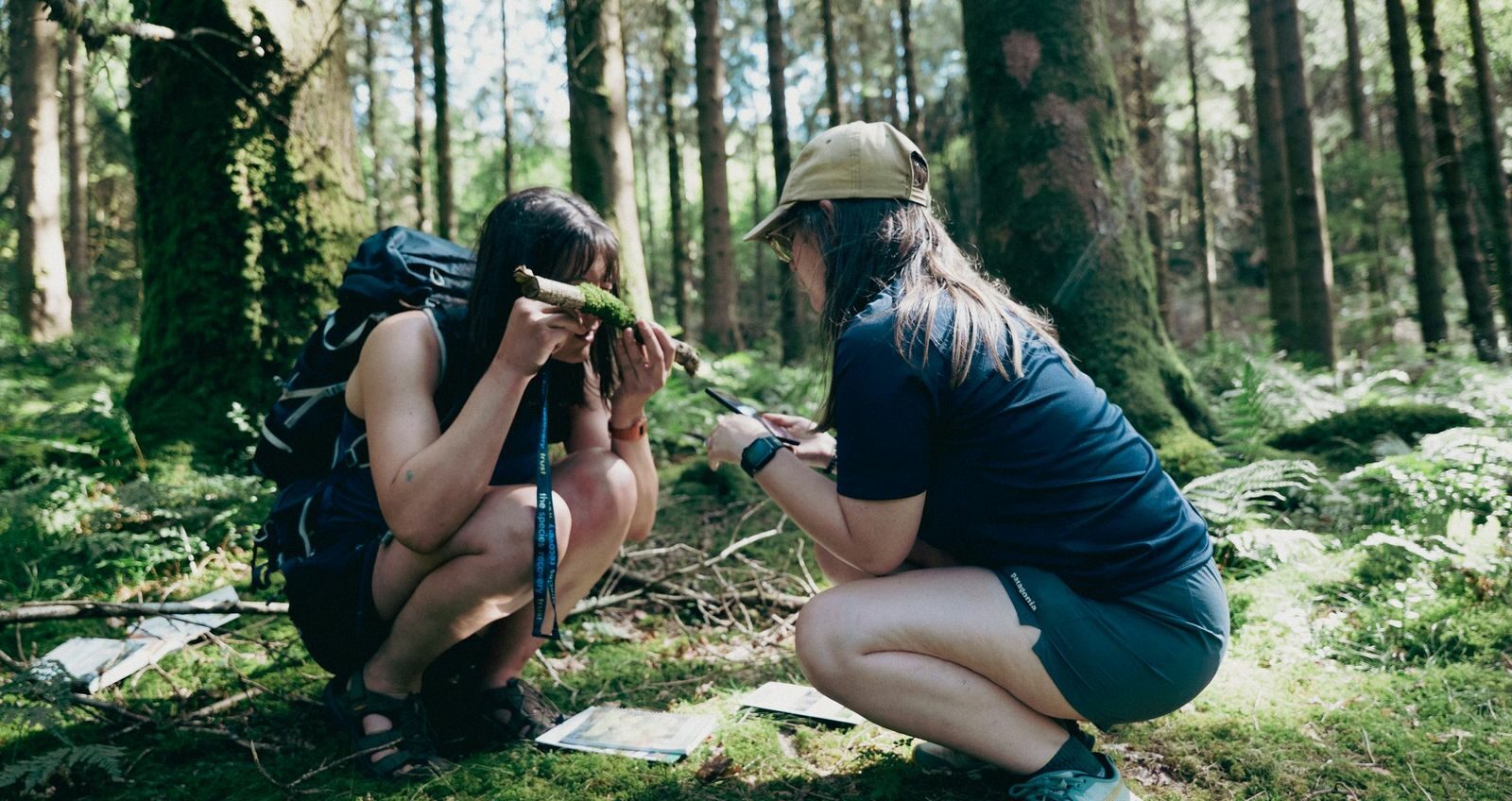
By recording wildlife sightings, taking photos, or sharing observations through trusted citizen science projects, you can help researchers and conservation organisations better understand and protect local species and habitats. No expertise, specialist equipment, or long-term commitment is needed. You can take part whenever it suits you, learn more about the natural world, and build a stronger connection with the landscape, while always enjoying wildlife responsibly and minimising disturbance to nature.
You don’t need to complete every survey or become a wildlife expert. Start with one activity that interests you…
Whether you record a plant, a bird, an insect or a bat, every observation helps build our understanding of Eryri’s wildlife and supports the long-term care of this special landscape.
Please follow recording guidance and avoid disturbing wildlife, particularly protected or sensitive species.
Take a photo. Discover wildlife. Help protect Eryri.
Eryri is home to a rich variety of wildlife. But we need to keep learning about the species that live here and how they are responding to changes in the climate and their habitats.
Look Wild is a National Parks UK project that helps people discover and record nature using the free iNaturalist app. Your photographs and observations can contribute to a growing picture of biodiversity in Eryri and other National Parks. You don’t need to identify everything yourself — the app and its community can help.
Share your sightings. Help build the evidence for nature conservation in North Wales.
Cofnod is the Local Environmental Records Centre for North Wales. It collects and manages wildlife records that help improve our understanding of species and habitats and inform conservation decisions.
From a familiar garden bird to a rare mountain plant, records from across Eryri help build a clearer picture of the wildlife found here. Even common species are worth recording, and you don’t need to be a trained ecologist to contribute.
Submit a wildlife record through Cofnod
Record what you saw, where and when you saw it.
Look a little closer. Help protect Eryri’s rare wild plants and fungi
Eryri is home to rare mountain plants, fungi and other species found in few other places. Recording these species helps improve understanding of how wildlife is responding to environmental change and supports future conservation work.
Explore Plantlife’s recording opportunities
find current campaigns and activities.
Join the National Plant Monitoring Scheme
help monitor plant diversity at a survey site. This involves repeat visits rather than a single observation.
Take part in Waxcap Watch
record grassland fungi during the survey season, usually from September to late November.
Listen out, look up and record your bird sightings.
Recording birds helps us understand where species occur, how their numbers change and how well their habitats are supporting them. You can start with a short count of birds in a garden or record sightings during a walk. If you want to develop your skills, structured projects also offer opportunities to contribute to longer-term monitoring.
Big Garden Birdwatch – RSPB
take part in the annual bird count and help build a national picture of garden birds.
Garden BirdWatch — BTO
record birds visiting your garden or chosen outdoor space regularly.
BirdTrack — BTO and partners
submit bird sightings and lists from walks and other visits.
Cudyll Cymru — BTO
help monitor Welsh birds of prey, including buzzards, kestrels, ravens, red kites and sparrowhawks. Training is available for beginners, but the project requires a few hours a month during the breeding season, so it is better suited to people who can make a recurring commitment.
Spend an hour watching the skies and help record nocturnal wildlife.
Bats are an important part of Eryri’s ecosystems. They feed on insects and use a range of habitats, including woodlands, hedgerows, rivers and other areas where insects are plentiful. Monitoring their activity helps us understand where bats are present and how their populations may be changing.
You don’t need a bat detector or previous surveying experience to take part in the Bat Conservation Trust’s beginner-friendly Sunset Survey.
Take part in the Sunset Survey — Bat Conservation Trust
spend an hour around sunset watching for bats and other nocturnal wildlife from your window, garden, balcony or local green space, then submit your results.
Discover pollinators and help monitor nature.
Bees, butterflies, hoverflies and other insects play vital roles in pollination and support wider food webs. Across Eryri, they depend on healthy habitats, including flower-rich grasslands, heathland, woodland edges and other places where plants provide food and shelter. Recording pollinators can help researchers understand changes in insect populations and identify where further conservation action may be needed. Even a short count can contribute useful information. Choose a safe spot, observe without disturbing the insects, and follow each survey’s identification and recording guidance.
Big Butterfly Count — Butterfly Conservation
take part in the seasonal butterfly count and submit your results during the published survey period.
UK Pollinator Monitoring Scheme (PoMS)
try a ten-minute Flower-Insect Timed Count, recording insects visiting a patch of flowers. The main survey season runs from April to September.
Nature’s Calendar
record the seasonal signs of nature, such as flowering plants, leaf emergence and wildlife activity, helping scientists understand the effects of weather and climate change
Keep your eyes open near ponds, wetlands and other wildlife habitats
Frogs, toads, newts, lizards and snakes are important parts of the natural environment. Wetlands, ponds, heathland, grassland and woodland edges can provide essential feeding, breeding and sheltering habitats. Recording sightings helps improve our understanding of where these species occur across Eryri.
Some species, including great crested newts, are legally protected. The safest way to help is to observe from a respectful distance and submit records without handling or disturbing wildlife.
The Record Pool
find guidance on recording and submitting reptile and amphibian sightings.
Explore the shoreline and help record marine life.
Eryri’s coastline supports a wide range of plants and animals living between the tides. Recording these species helps improve understanding of coastal habitats and how they are changing over time.
Shoresearch – Intertidal Citizen Science Surveys | North Wales Wildlife Trust Take part in guided intertidal citizen science surveys and help record wildlife along the North Wales coast.